
Brand and communications
Standards, messaging, internal and external communications, and the calendar that keeps them moving.
Brand marketing and communications for B2B companies
Right now the sales deck, the website, and the internal newsletter look like they came from three different companies. A designer, a videographer, an events vendor, and a web developer are each doing part of the job, and your business development lead, your admin, or your comms person is pulling it together off the side of their desk.
I own the marketing function so they don't have to. As your retained brand marketing and communications partner, I coordinate your vendors, keep everything consistent, look after your website, and give your sales team and leadership materials they can actually use.

Your agencies, freelancers, and internal teams work from the same brief, calendar, and approvals.
One voice and one look across sales, social, events, internal communications, and every vendor's work.
Sales and leadership get materials that are current, on brand, and easy to use without asking marketing first.
Finally, someone who owns your marketing.
Somewhere between 20 and 150 people, communications stops being one person's side job. More people are creating things, more vendors are involved, and the brand starts to drift. A retainer puts one senior person in charge of keeping it together.
Briefing, scheduling, and quality control across your designers, videographers, developers, printers, and event vendors. You deal with one point of contact, and their work comes back on brand and on time.
Voice, templates, and guidelines that people actually follow, plus a review step so off-brand work gets caught before it goes out.
I own the website day to day: content updates, new pages, forms, and tracking. When something needs code, hosting, or security work, I brief your developer or IT team and check the fix before it goes live.
Leadership updates, team announcements, and change communications that sound like one company and reach the right people.
A planned calendar, consistent posting, and a newsletter that has an owner, a schedule, and a point of view.
Event planning, invitations, follow-up, and the materials your team needs in the room and after it.
Shot lists, scheduling, crew coordination, and client-facing materials that come out of the shoot ready to use.
Decks, one-pagers, case studies, and email templates that match the brand and answer what buyers actually ask.
What a retainer looks like
Retainers are easier to picture with a real-looking example. This one shows how the first three months usually go and what a normal month looks like after that.
Delivered: brand consistency audit and a ranked fix list
Delivered: sales kit v1 and the event plan
Delivered: the first monthly report
Investment
Monthly retainer
Contact for pricing
Scoped to your team and calendar. Specialist costs, like design, video, or event production, are quoted separately so you see exactly what you pay for.

 Embedded within your team.
Who you'd be working with
You aren't hiring a giant agency with layers of account management. You work with me directly. When the work calls for brand identity, design, video, web development, IT support, or event production, I bring in trusted specialists and manage them for you.
I'm a brand marketer and Chartered Marketer based in Calgary, with about a decade in marketing, including four years as the first marketing hire at a Shopify-ecosystem startup, through its acquisition. I like straight answers, tidy systems, and clients who make decisions.
Standards, messaging, internal and external communications, and the calendar that keeps them moving.
Briefs, schedules, approvals, and quality control across your vendors, shoots, and events.
New brand identities, video, and IT support handled by vetted specialists, with one point of contact: me.
For smaller B2B and high-ticket service teams
If you're a founder or a small team selling high-value work, I take on defined projects with a clear scope and an end date. You get it set up properly, and you know how to run it afterward.
Fewer tools, connected properly, so forms, email, CRM, and scheduling work together.
What's sending, what's landing, and what to fix first.
GTM, GA4, and your other reporting tools installed, linked, and confirmed on your website.
Campaigns set up and run, with clear reporting on what they produce.
A content plan you can keep up with, and a profile that says what you do.
A clear, fast site with the tracking already in place.
Recent project work

Clearer positioning, stronger proof, better page structure, and a next step that feels obvious.
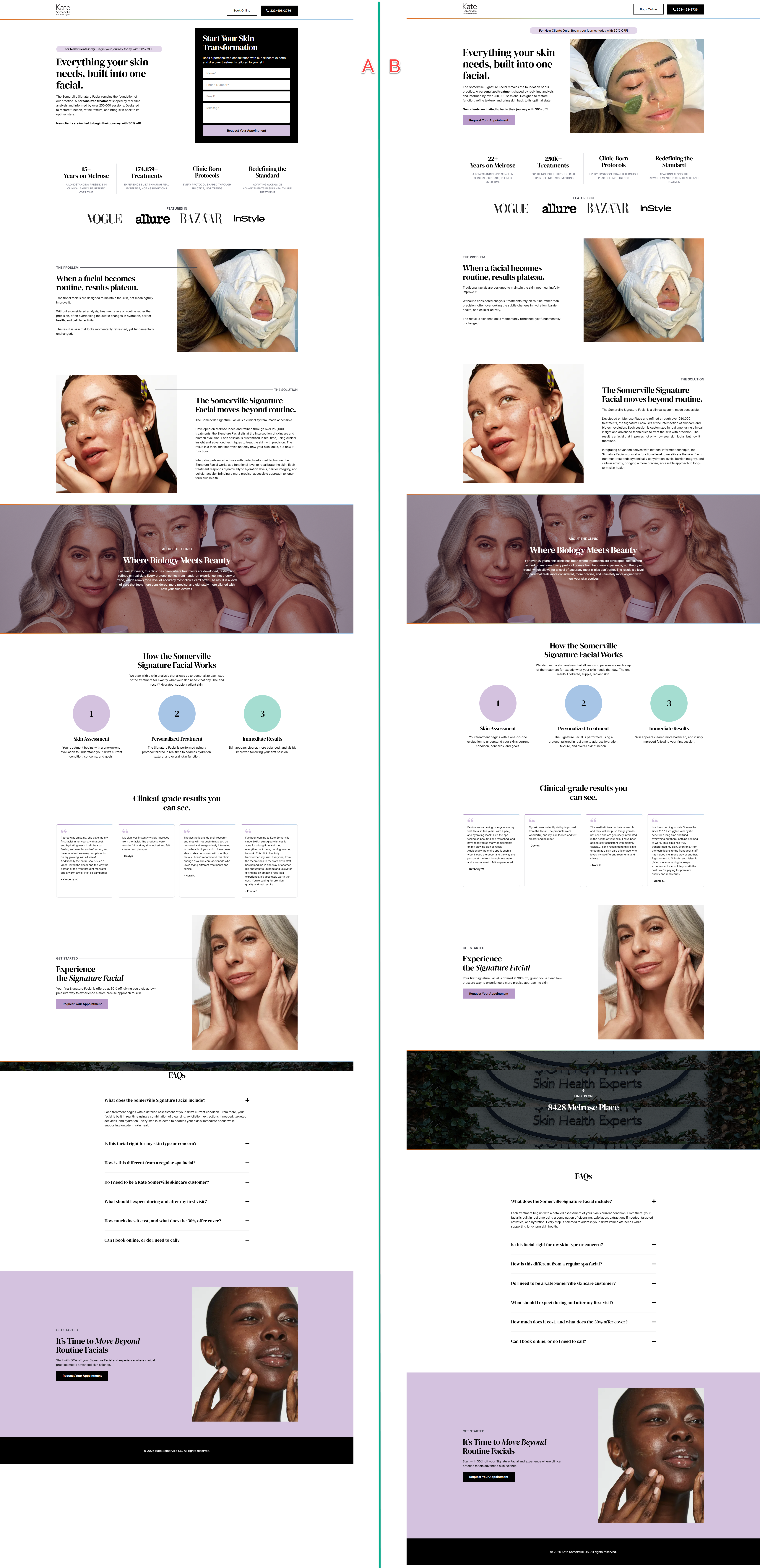
One audience, one offer, one next step, and fewer places for the buyer to drift.
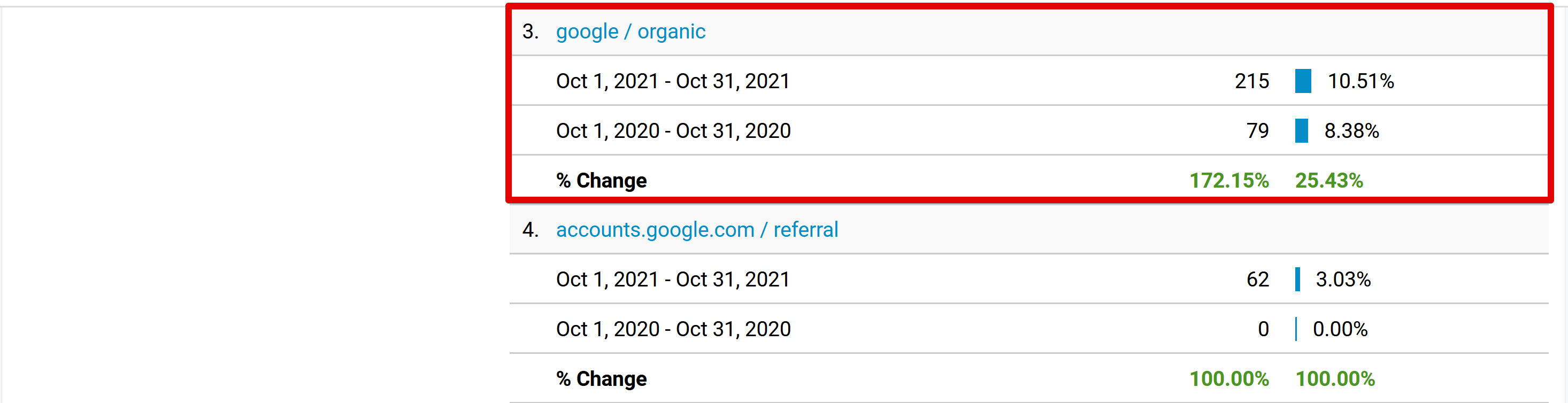
Tracking set up properly so you can see what's working before you spend more on it.
Fit
I work with B2B companies and high-ticket service businesses, where one client is worth enough that how you show up really matters. You don't need a finished brand. You do need real clients and someone who can approve work.
Start with the part that feels unclear
Tell me what's going on, who's involved, and what's coming up. We'll look at it together and decide what needs attention first.
Common starting points: a brand and messaging audit, a vendor coordination setup, a 90-day communications calendar, a sales enablement kit, an event or shoot plan, a marketing tech cleanup, or a LinkedIn refresh.
Team size, what's coming up, and where things feel inconsistent or scattered.